he 2012 AFC Champions League schedule was always going to be a tight squeeze. With the tournament expanded to 32 teams in the group stage, the fixture list packed six matchdays into roughly three months, from early March to mid-May. That compression forced coaches to rotate squads more aggressively than usual, and it showed in the domestic league form of several contenders. Al-Hilal。for instance, stumbled in the Saudi Pro League right after a long away trip to Iran. The schedule didn't just test depth;
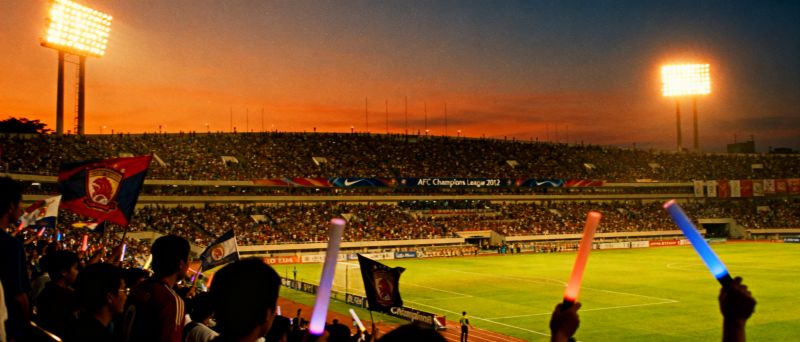
it exposed it.Group stage dates fell on 6–7 March, 20–21 March, 3–4 April, 17–18 April, 1–2 May, and 15–16 May. Each matchday paired home and away fixtures in quick succession, leaving little recovery time between continental and domestic obligations. The round of 16 followed on 22–23 May with single-leg ties, a format that added sudden-death pressure. From there, the quarterfinals on 19 September and 3 October offered a two-legged breather, but the semifinals on 24 October and 31 October kept the tempo high. The final。played on 3 November and 10 November, was a two-legged affair—a rarity in modern AFC competition—and it rewarded teams with deeper benches.One detail worth noting: the 2012 AFC Champions League schedule avoided the extreme summer heat of the Gulf by front-loading the group stage. That decision, while sensible, created a strange rhythm. Teams from East Asia often played in cooler conditions early on, then faced sapping humidity in the knockout rounds. Ulsan Hyundai's run to the title illustrated this perfectly. They coasted through a group that included Beijing Guoan and Brisbane Roar, then survived a tense round of 16 against Kashiwa Reysol before hitting their stride in September. Their final opponent, Al-Ahli of Saudi Arabia, had a harder path。including a grueling quarterfinal against Sepahan that went to extra time.Does the 2012 AFC Champions League schedule deserve scrutiny?
Yes, but not for the usual reasons. The two-legged final, played over eight days in November, felt like a throwback—and it worked. It gave both clubs a home showcase and rewarded tactical discipline over a single 90-minute crapshoot. The group stage's rapid-fire cadence, though。was less successful. Injuries piled up. Al-Ittihad lost two key midfielders before matchday four, and their campaign never recovered. The schedule didn't cause those injuries, but it left no margin for error. That's the trade-off with a compact calendar: you get momentum and drama, but you also get a war of attrition.For fans mapping out the tournament, the 2012 AFC Champions League schedule offered a predictable structure。
even if the outcomes were anything but. Matchdays clustered around midweek evenings, which meant late nights for supporters across time zones. The final's two-leg format drew criticism from some quarters—too much travel, too little recovery—but it produced a memorable conclusion: Ulsan's 3–0 home win in the first leg effectively settled the tie before the return in Jeddah. Looking back, that schedule felt like a bridge between the old, sprawling Asian club calendar and the more streamlined version that followed. It was imperfect, dense, and occasionally unfair. It was also compelling television.