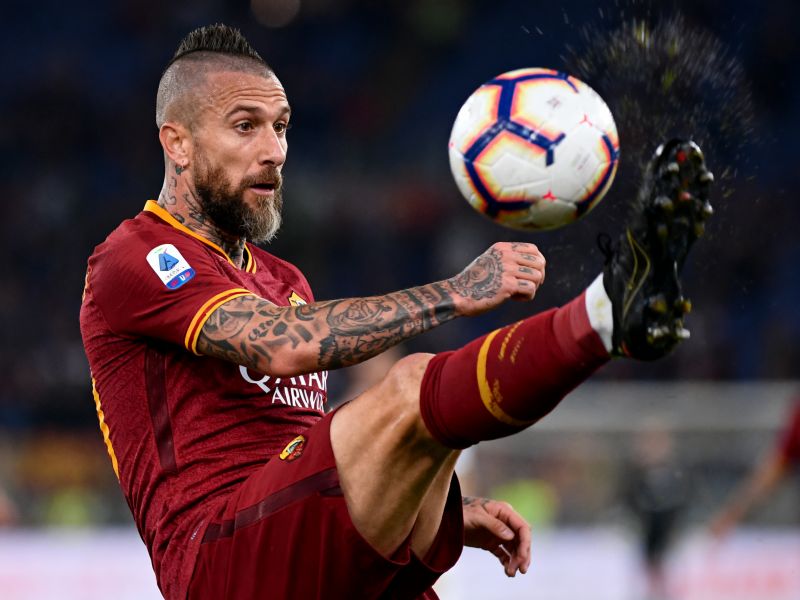
Ashley Young turned 38 in July, yet he started 30 Premier League matches for Everton last season. That fact alone demands attention. Most wingers retire or drop into lower leagues by their mid-30s. Young didn't just survive—he became a reliable starter for a team fighting relegation, playing as a full-back. His longevity isn't luck;it's a masterclass in reinvention and professionalism.
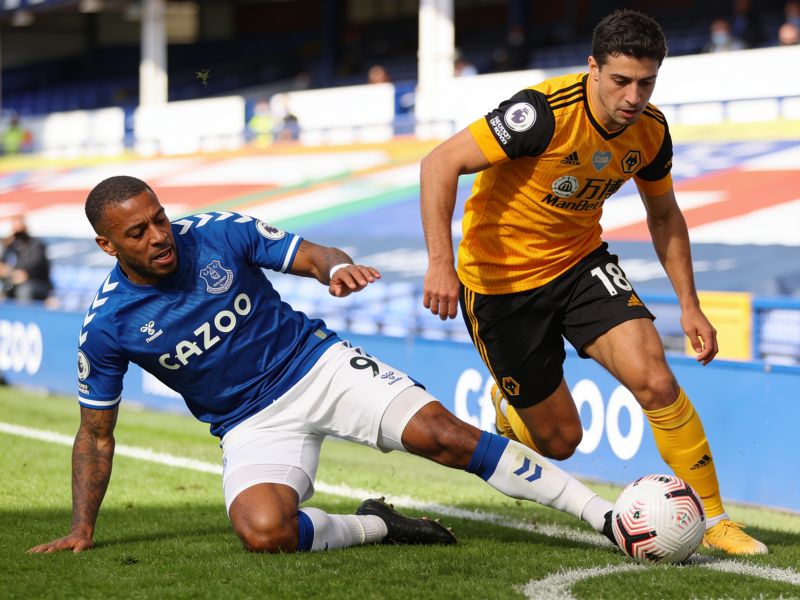
I watched him closely during Everton's 2-2 draw with Tottenham in April. Young was marking Son Heung-min, one of the league's trickiest forwards. He didn't dive into tackles or rely on recovery pace. Instead, he used angles—narrowing Son's space, forcing him inside toward the double pivot. Twice in the first half, Son cut back onto his right foot and found no shooting lane. Young's positioning was almost boringly precise. That's the thing about his late-career shift: he trades flash for function. As a winger for Watford and Aston Villa, he was direct, beating full-backs with stepovers and crosses. Now, every action is calculated. He commits fewer fouls than most full-backs (1.2 per 90 last season, per FBref)。not because he's slow but because he arrives early.Ashley Young's career arc is unusual. He won five major trophies at Manchester United—including the Europa League in 2017—but rarely as a guaranteed starter. He played left-back, right-back, and both wings. Jose Mourinho once said Young was "the kind of player every manager loves because he never complains." That adaptability extended his prime. When Inter Milan signed him in 2020, Antonio Conte used him as a wing-back in a 3-5-2. Young started 26 Serie A games at 35. He returned to England with Everton in 2023, and Sean Dyche immediately valued his versatility. In a squad riddled with injuries, Young filled gaps at left-back, right-back, and even defensive midfield. His decline is measurable—his sprint speed dropped from 32 km/h in 2019 to 29.5 km/h last season—but his anticipation compensates. Young averages 4.1 interceptions per 90 when playing full-back。a figure that ranks in the top 15% of the league. That's not athleticism;it's intelligence.What stands out most is his durability. Since 2006, Ashley Young has played over 650 club matches. He's never had a major knee or hamstring injury. Former teammates describe his diet and recovery routines as obsessive. At Villa, he was known for arriving at the training ground two hours early for ice baths and stretching. He doesn't drink alcohol during the season. These details sound trivial until you compare them to the dozens of talented wingers who faded by 31. Young's discipline isn't glamorous, but it's the foundation. He told Everton's club media last year: "I want to play until my body says no. Right now。it's still saying yes." That's not a cliché;it's a data point. He's under contract until June 2025, and Everton have already discussed a coaching role—though Young insists he's not done playing.
Ashley Young won't be remembered as a superstar. He never made a PFA Team of the Year. He wasn't a poster boy for England beyond his 39 caps. But his career offers a blueprint for longevity that few discuss: accept a reduced role。master a new position, and out-prepare everyone else. In an era obsessed with young signings and resale value, Young is an outlier—a 38-year-old utility man who still belongs. Whether he plays one more season or three, his story matters because it proves that intelligence and discipline can stretch a career far beyond its expected expiry date. That's worth watching, even if he never scores another goal.